Portland Civic Lab hosted a screening of The Internet’s Own Boy on what would have been Aaron’s 40th birthday and asked a number of people to contribute their thoughts for the occasion.
Aaron was 15 when he worked on Creative Commons’ technical infrastructure (with Lisa Rein, who was Creative Commons’ first Technical Architect).
Click here to learn about contributing to “Quantifying the Commons.”
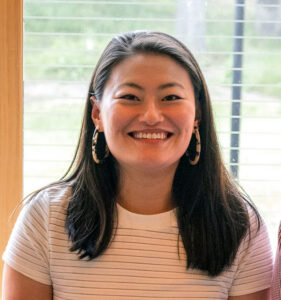
CC turns 25 this year. Annemarie Eayrs, Creative Commons’ Communication Manager, who lives in Portland, read their statement, in person, at the screening.
Statement from Creative Commons –
Screening of The Internet’s Own Boy
Portland, Sunday, November 8, 2026
As we reflect on Aaron Swartz’s life and legacy today, Creative Commons has a particular connection to his story. Aaron isn’t someone we simply admire from a distance. He was part of
our beginning, and the ideas he believed in so deeply continue to shape who we are and what we stand for today. And there’s a story that has been passed down from those early days that
we think says a great deal about who he was.In 2001, a small group of people, including law professor Lawrence Lessig, began developing what would become CC. They had an ambitious idea to make it easier for people to legally share knowledge and creativity. At the time, Aaron was a teenager. When he read about what they were trying to do, he had an idea. So he wrote to Lawrence about how to make CC licenses understandable to computers. Lawrence listened and invited Aaron to help build it. And Aaron did.
But what stays with us is larger than Aaron’s intelligence. Here was a young person who saw a problem, imagined a solution, and decided to do something about it. He didn’t wait to be asked.
And someone on the other end recognised that a good idea can come from anywhere. That exchange helped shape the technical foundations of CC. But we believe Aaron’s legacy is about something much bigger than technological solutions.
Under the tech was a core belief that knowledge was meant to be shared and that the internet could give people extraordinary freedom to learn, create, question, and take part. And that
when something stood in the way of those possibilities, we had a responsibility to challenge it.This year, Creative Commons turns 25. And those beliefs are being tested in ways we could hardly have imagined 25 years ago. AI is changing how knowledge is created, shared, and used. The questions Aaron cared about—who controls knowledge, who benefits from it, and who gets to participate—haven’t gone away. If anything, they’ve become more urgent.
If Aaron were standing with us today, what would he question? What possibilities might he see that the rest of us are missing? Perhaps one way to honour his legacy is to carry forward his
spirit of conviction, imagination, and determination. To keep questioning what seems inevitable, challenging what seems immovable, and fighting for a world where knowledge and
creativity can flourish for everyone.We’re grateful that Aaron was part of CC’s beginning. And we’re even more grateful for the possibilities he helped open up for all of us.
— Creative Commons
Quantifying the Commons
If you are interested in volunteering for Creative Commons, they are hoping folks will contribute to their “Quantifying the Commons” project.
The Quantifying the Commons project measure the size and diversity of the commons–the collection of works that are openly licensed or in the public domain.
A good entry point is: Ways to Contribute:
Github: https://github.com/creativecommons/quantifying

Timid Robot (Director, Technology) will be available remotely to answer questions.
You can email them at timid @ creativecommons.org for more information. They would love to hear from you!